SaaS Multi-Tenancy Architecture in 2026
A practical guide to saas multi-tenancy architecture in 2026, with decisions, implementation checks and limitations for business teams.
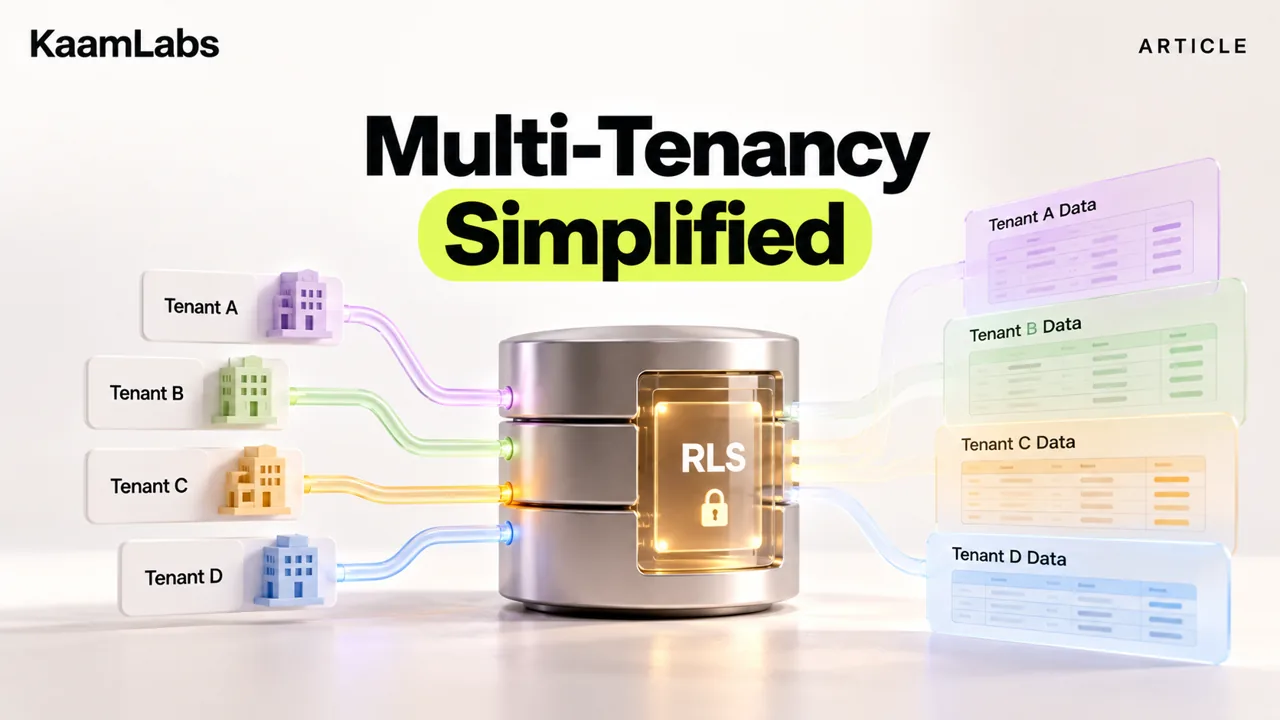
1. The Multi-Tenancy Dilemma Facing B2B Founders
When an Indian B2B SaaS startup closes its first enterprise contract—such as a hospital chain in Mumbai, a bank in Bengaluru, or an auto OEM in Chennai—the enterprise security questionnaire invariably asks:
*"How is our corporate data isolated from other customers on your cloud platform?"*
Inexperienced engineering teams often panic and propose the most extreme solution: Database-Per-Tenant Isolation.
┌────────────────────────────────────────────────────────┐
│     Model A: Database-Per-Tenant (High Infrastructure Overhead)       │
│  Tenant 1 ──► [RDS Instance #1] (₹6,500/mo)            │
│  Tenant 2 ──► [RDS Instance #2] (₹6,500/mo)            │
│  ...                                                   │
│  Tenant 50 ──► [RDS Instance #50] (₹6,500/mo)          │
│  TOTAL INFRASTRUCTURE BURN: ₹3,25,000 / month!         │
└────────────────────────────────────────────────────────┘

┌────────────────────────────────────────────────────────┐
│   Model B: KaamLabs Shared PostgreSQL + RLS Engine     │
│  All 50 Tenants ──► [Single High-Performance Cluster]  │
│  Tenant Isolation enforced by PostgreSQL Engine Kernel │
│  TOTAL INFRASTRUCTURE BURN: ₹12,000 / month (96% Cut!) │
└────────────────────────────────────────────────────────┘
2. How PostgreSQL Row-Level Security (RLS) Works
Row-Level Security is a native feature built directly into the PostgreSQL core engine (version 9.5+).
Unlike traditional application-level security (where developers must remember to add `WHERE tenant_id = current_tenant` in every single backend endpoint), RLS operates at the database kernel level.
[API Query: "SELECT * FROM orders;"]
                 │
                 ▼
┌────────────────────────────────────────────────────────┐
│             PostgreSQL Query Planner                   │
│  RLS Policy automatically rewrites query to:          │
│  "SELECT * FROM orders WHERE tenant_id = auth.uid()"   │
└────────────────┬───────────────────────────────────────┘
                 │
                 ▼
[Returns ONLY current tenant's data; 100% leak-proof!]
Even if a rogue developer accidentally deploys an API endpoint that executes `SELECT * FROM users;`, PostgreSQL will automatically filter the output so the client only receives their own organization’s rows.
3. Production Implementation: Multi-Tenant RLS with Supabase
Here is the exact schema and policy structure KaamLabs deploys in production B2B SaaS platforms:
-- 1. Create Tenants/Organizations Table
CREATE TABLE organizations (
  id UUID PRIMARY KEY DEFAULT gen_random_uuid(),
  name TEXT NOT NULL,
  gstin TEXT,
  created_at TIMESTAMPTZ DEFAULT NOW()
);

-- 2. Create Memberships Mapping Users to Organizations
CREATE TABLE organization_members (
  id UUID PRIMARY KEY DEFAULT gen_random_uuid(),
  organization_id UUID REFERENCES organizations(id) ON DELETE CASCADE,
  user_id UUID NOT NULL, -- references auth.users
  role TEXT CHECK (role IN ('owner', 'admin', 'member')) DEFAULT 'member',
  UNIQUE(organization_id, user_id)
);

-- 3. Core Business Data Table (Customer Invoices)
CREATE TABLE invoices (
  id UUID PRIMARY KEY DEFAULT gen_random_uuid(),
  organization_id UUID NOT NULL REFERENCES organizations(id) ON DELETE CASCADE,
  invoice_number TEXT NOT NULL,
  amount NUMERIC(12, 2) NOT NULL,
  created_at TIMESTAMPTZ DEFAULT NOW()
);

-- 4. Enable Row Level Security
ALTER TABLE invoices ENABLE ROW LEVEL SECURITY;

-- 5. Helper Function: Get Active User's Organizations
CREATE OR REPLACE FUNCTION get_user_organizations()
RETURNS SETOF UUID AS $
  SELECT organization_id FROM organization_members
  WHERE user_id = auth.uid();
$ LANGUAGE sql STABLE SECURITY DEFINER;

-- 6. Deploy Airtight RLS Policy
CREATE POLICY "Tenants can only access their own invoices"
ON invoices
FOR ALL
TO authenticated
USING (organization_id IN (SELECT get_user_organizations()))
WITH CHECK (organization_id IN (SELECT get_user_organizations()));

-- 7. High-Performance Indexing: Mandatory for sub-millisecond RLS execution
CREATE INDEX idx_invoices_org_composite
ON invoices(organization_id, created_at DESC);
4. Architectural Comparison: RLS vs. Separate Databases
PostgreSQL RLS paired with KaamLabs' architecture satisfies the key mandates of the act:
6. Real-World Case Study: Mumbai B2B HRTech SaaS
The KaamLabs Modernization:
Build Scalable B2B Software on Solid Foundations
Don't let flawed database architecture burn your seed capital on idle cloud servers. Build on high-performance PostgreSQL multi-tenancy engineered to scale to thousands of clients effortlessly.
👉 Consult with KaamLabs Database Architects on WhatsApp or explore our SaaS Engineering Studio.
Architectural Cross-References & Implementation Guides
To expand your technical implementation strategy, evaluate these companion engineering blueprints and core platform frameworks:
Put this into a project brief
Describe the user task, the current bottleneck, the systems involved and how you will measure a successful result. Ask for a scoped pilot and acceptance checks before expanding the implementation.
Discuss a website project or explore published client work.
Use this guidance in context
Technical examples are starting points for a project review. Platform requirements change, and results depend on implementation and starting conditions. Refer to the linked documentation and test the actual workflow.
Send a correction with the page URL to hello@kaamlabs.in.
Consult the source for current requirements and the context of each referenced statement.
Reference linked in this article. Check the source for current platform requirements.
kaamlabs.in
Reference linked in this article. Check the source for current platform requirements.
Explore delivery details, project examples and practical buying guidance.
Ready to Upgrade to Sub-Second Modern Architecture?
Eliminate development delays. Ship clean Next.js, FastAPI, or mobile systems with dedicated engineering and milestone-driven delivery.